Ridx septic tank treatment is sold as a product that may help septic tank bacteria break down some waste. It cannot remove all sludge, repair pipes, or replace septic pumping. Homeowners in Conyers should rely first on careful water use, safe disposal, inspections, and regular maintenance. The product label should guide any use.
Table of Contents
- What Is Ridx Septic Tank Treatment Supposed to Do?
- Does Ridx Break Down Septic Tank Solids?
- Can Ridx Improve Septic Tank Bacteria?
- Does Ridx Prevent Septic Tank Pumping?
- Can Ridx Fix a Slow Drain or Septic Backup?
- Is Ridx Safe for Septic Tanks and Drainfields?
- What Is a Safer Alternative to Septic Additives?
- What Should You Never Flush Into a Septic System?
- How Often Should a Septic Tank Be Inspected and Pumped?
- What Is the Final Verdict on Ridx Septic Tank Treatment?
- Frequently Asked Questions
What Is Ridx Septic Tank Treatment Supposed to Do?
Before using ridx septic tank treatment, read the current package label. The label may mention enzymes, bacteria, or other ingredients. Directions and claims can change, so the package is the best source for current product information.
What claims are commonly made about septic treatments?
Septic additives often claim to help digest paper, fats, oils, and other waste. Some products also say they support the tank’s natural bacteria. These claims may sound helpful, but they do not mean the product removes every solid in the tank.
A septic system already has a natural treatment process. Wastewater enters the tank, heavy solids settle, and grease floats to the top. The liquid layer leaves for the drainfield. Bacteria break down some waste, but some material remains and must be removed through proper care.
Who may be considering this product and why?
A homeowner may look for Ridx after buying a home or noticing a slow drain. They may also learn that the tank has not been serviced for a long time. Tenants, investors, and business owners may hope an additive can protect an older system.
That concern is easy to understand. A septic tank is buried, so its condition is hard to judge from inside the home. A product cannot replace a record review, inspection, or septic tank pumping. Septic Tank Service Conyers can help property owners understand which care step fits the system.
Does Ridx Break Down Septic Tank Solids?
Biological action may break down some wastewater parts. However, septic tank solids can include materials that stay behind. Heavy sludge settles at the bottom, while scum floats near the top. Both layers grow over time and need to be checked and removed when needed.
What happens to solids, scum, and wastewater in the tank?
A septic tank is a sealed container that gives wastewater time to separate. Toilets, sinks, showers, and laundry send wastewater into the tank. Heavy material sinks and becomes sludge. Grease and light material rise and form scum. The middle liquid layer moves toward the drainfield.
The drainfield is the soil area that receives liquid from the tank. Soil helps filter that liquid before it moves deeper underground. If sludge or scum enters the drainfield, it can block soil spaces. This can reduce the soil’s ability to absorb wastewater.
Ridx may affect some organic matter. Still, breaking down part of the waste does not remove the whole sludge layer. It also cannot restore soil that is already blocked. A change in odor or tank appearance does not prove the system is healthy.
Why does biological activity not replace pumping?
Natural bacteria break down some waste, but they do not make every solid disappear. Hair, grit, minerals, plastics, and other items can remain. Waste that breaks down slowly can also collect faster than the tank can process it.
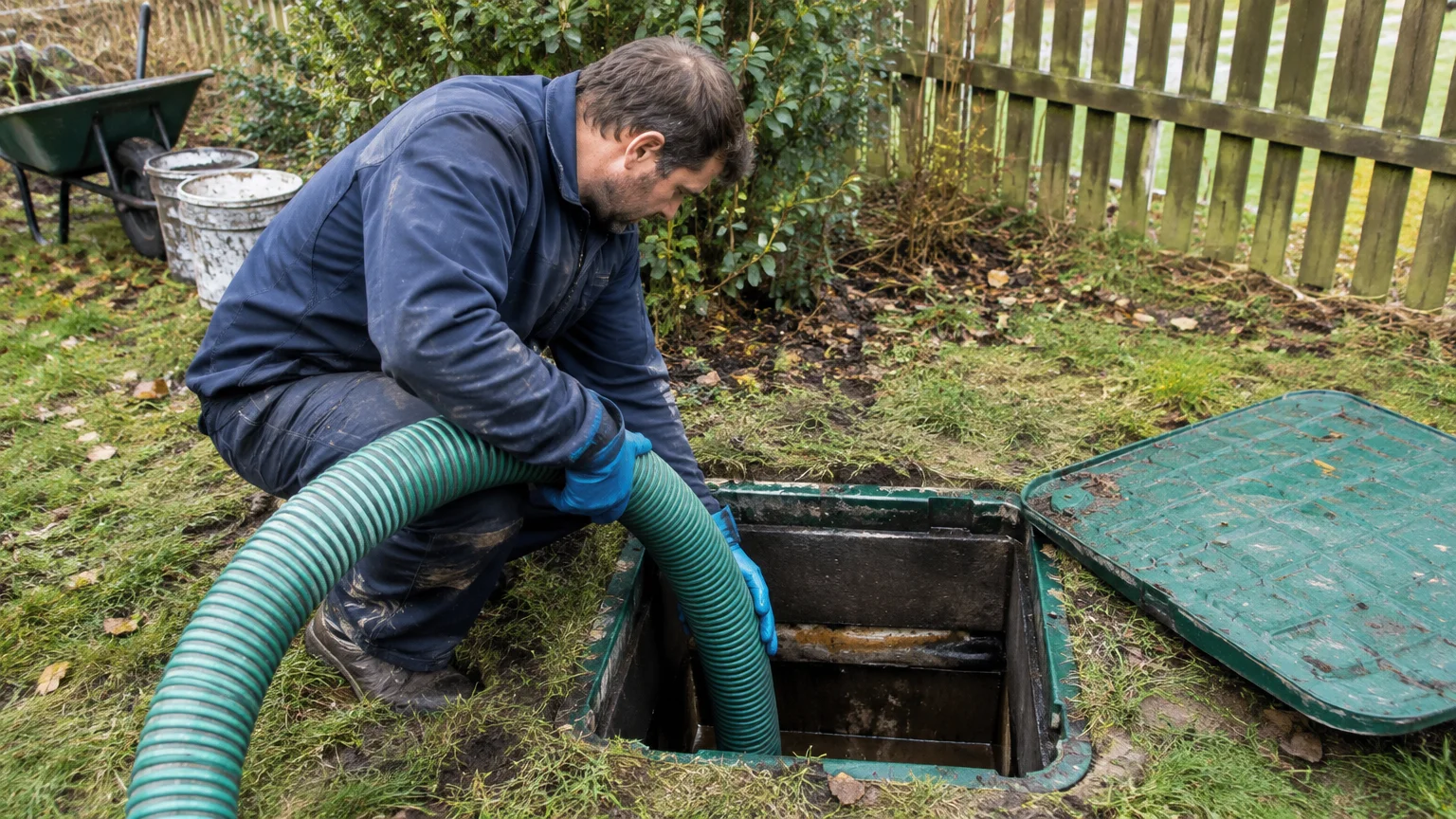
Pumping removes material that bacteria cannot handle. It also gives a trained worker a chance to look for cracks, damaged parts, odd liquid levels, or drainfield trouble. That service is different from adding a product to a toilet.
Can Ridx Improve Septic Tank Bacteria?
A healthy septic tank usually has its own living bacteria. These organisms enter with normal household wastewater. Adding a treatment does not guarantee better treatment, faster flow, or a longer system life.
How does a healthy septic tank ecosystem work?
The septic tank ecosystem is the mix of living organisms, water, solids, heat, and air conditions inside the tank. Most of the tank has little oxygen. This means different bacteria work there than in open air. These organisms break down some waste as it moves through the system.
The system works best when it receives normal household wastewater. It should also receive only waste that belongs in a toilet or drain. Large changes in the tank can upset its balance. Strong cleaners, solvents, and other harsh liquids may harm useful bacteria.
A product that adds bacteria may not be needed in a normally used tank. It may also act differently based on temperature, waste, and the tank’s existing biology. The label should not be treated as proof that the product can solve a plumbing or septic problem.
What household habits can disrupt natural bacteria?
Daily habits matter. A leaking toilet, large laundry load, or long period of heavy water use can send too much water into the system. Extra flow may move solids toward the drainfield before the tank has time to separate them.
Harsh cleaners, paint, fuel, drain openers, and solvents can also cause harm. Small normal amounts of common cleaners may pass through the system. Concentrated or repeated discharges are a poor choice. Keep harmful liquids out of sinks and toilets.
Does Ridx Prevent Septic Tank Pumping?
Ridx does not reliably prevent septic pumping. Additives may affect some waste, but sludge and scum still collect. Pumping remains the dependable way to remove material that could leave the tank and harm the drainfield.
Why do sludge and scum continue to accumulate?
Some household waste does not break down fully. Solids may include grit, fibers, food residue, and other material that settles in the tank. Fats and grease may also collect in the scum layer. As these layers grow, the space for wastewater becomes smaller.
The tank outlet usually has a baffle or filter. This part helps keep solids from leaving. It can become blocked or damaged. If the liquid level rises too high, or solids pass through the outlet, the drainfield may receive more material than it can handle.
An additive cannot measure sludge depth or show whether the outlet works. It cannot inspect the tank wall, inlet, outlet, lid, or distribution parts. Those conditions need a proper inspection.
What is the verdict on additives as a substitute for maintenance?
The answer is simple: an additive should not replace pumping, inspection, or good waste habits. It may be used only as the label directs. Property owners should understand that its role is limited.
Keep service records and learn where the tank is located. Ask when it was last pumped and whether an inspection found concerns. Septic Tank Service Conyers can help Conyers property owners review signs that point to septic pumping or a closer system check.
Can Ridx Fix a Slow Drain or Septic Backup?
Ridx cannot be counted on to fix a slow drain or septic backup. These signs may come from a blocked pipe, full tank, damaged baffle, failed pump, or drainfield problem. The right response is diagnosis, not a trial of treatment products.
What may a slow drain or backup indicate?
A single slow sink may have a local plumbing blockage. Several slow drains, gurgling toilets, sewage smells, or wet ground near the tank may point to a wider septic concern. A toilet that backs up after laundry or showers may also show that the system is struggling.
The location of the symptom matters. A blockage inside the home may need a plumber. A full tank may need pumping. A wet or failed drainfield may need a deeper inspection. These problems can look alike from a bathroom or kitchen.
Avoid repeated chemical drain cleaners. They may damage plumbing, enter the septic system, and make diagnosis harder. If sewage is present, keep children and pets away. Arrange qualified help promptly.
Why do symptoms require diagnosis rather than a treatment product?
A product treats wastewater inside the tank. It cannot see a broken pipe, blocked outlet, collapsed line, or wet soil. Waiting for it to work may let a small issue become a larger one.
A professional can check the tank level and inspect accessible parts. The owner should share service records and explain when symptoms began. This information helps separate a plumbing issue from a septic issue.
Is Ridx Safe for Septic Tanks and Drainfields?
Use Ridx only as directed on its current label. Do not assume every additive is safe for every system. A product may enter the tank, leave through the outlet, and reach the drainfield. Its effect depends on its ingredients, dose, system design, and soil.
How can additives affect the tank and soil absorption area?
The drainfield, also called the soil absorption area, receives liquid from the tank. The soil filters that liquid. If the soil is coated with solids or harmed by excess water, wastewater may rise or pond.
Some treatments may change the mix of organisms or the way solids break apart. That does not mean they harm every system. It does mean the product should be reviewed with care. Do not pour a treatment into a system with failure signs without advice.
Read the product label fully. Follow its directions and warnings. The label does not replace local rules, an inspection, or advice from a qualified septic worker.
What questions should a homeowner ask before using treatment?
Ask whether the tank is overdue for pumping. Ask whether the system has a known design. Also ask whether recent symptoms suggest failure. Check whether the product is meant for the tank type and use described on its label.
Useful questions include:
- Has the tank been inspected or pumped recently?
- Are there slow drains, odors, wet spots, or sewage backups?
- Does the product label explain its ingredients and limits?
- Could the treatment reach a private well, creek, or sensitive soil?
- Has a qualified worker advised using it for this system?
What Is a Safer Alternative to Septic Additives?
The safer alternative is routine care based on water control, proper disposal, inspection, and pumping. These steps support the septic system without asking a treatment product to solve problems it cannot see.
How do water conservation and careful disposal help?
Water conservation gives the tank more time to separate solids from liquid. Fix leaking toilets and faucets first. Spread laundry loads across the week. Efficient fixtures and fewer large water uses at once can also reduce stress on the drainfield.
Only human waste and toilet paper should go into the toilet. Wipes, paper towels, feminine products, diapers, cotton items, and dental floss belong in the trash. Grease and cooking oil should cool and go into a suitable container.
Keep vehicles, sheds, pools, and heavy equipment away from the drainfield. Packed soil absorbs less water. Deep-rooted trees can also threaten underground pipes. Choose plants with the system layout in mind.
Why are approved maintenance practices more dependable?
Maintenance gives the owner useful information. An inspection may reveal a rising liquid level, broken cover, blocked filter, or another concern. Pumping removes solids instead of trying to change them with an additive.
Records help owners, tenants, buyers, and investors. A record may show the tank location, service date, findings, and repairs. Septic Tank Service Conyers serves property owners across Conyers, including Downtown Conyers, Lithonia, Stockbridge, Milstead, Almon, and nearby areas. The team can explain the next practical care step.
What Should You Never Flush Into a Septic System?
A septic system should not receive items that do not break down easily. It should also not receive liquids that can harm treatment. Keeping these materials out protects the tank, pipes, outlet, and drainfield.
Which household products can harm treatment processes?
The following items should stay out of toilets and drains:
- Wipes, paper towels, tissues, diapers, and feminine hygiene products
- Grease, oils, fats, coffee grounds, and food scraps
- Paint, gasoline, pesticides, solvents, and car fluids
- Prescription drugs, chemicals, and strong cleaning products
- Cat litter, pet waste, hair, dental floss, and cotton swabs
Even items marked flushable may not break down like toilet paper. The word describes how an item moves through a toilet. It does not say how safely it behaves in a septic tank. Trash is usually safer for items that are not human waste or toilet paper.
What everyday disposal choices protect the drainfield?
A covered trash container helps keep bathroom waste out of the system. A separate container for used cooking oil keeps grease out of the pipes. Local household waste programs may accept paint, fuel, pesticides, and solvents.
A septic system is not a trash can or chemical disposal site. Good disposal choices reduce solids and chemicals entering the tank. They also help natural treatment work as well as it can.
How Often Should a Septic Tank Be Inspected and Pumped?
Inspection and pumping timing depends on tank size, household size, water use, and waste load. A qualified professional should assess the tank instead of relying only on a product claim or calendar. Service records help show when care may be due.
Which factors affect maintenance timing?
A small tank serving many people may fill sooner than a larger tank serving fewer people. Frequent laundry, a garbage disposal, and high water use can change the timing. Older systems and systems with past repairs may need closer attention.
A new homeowner should ask for past pumping and inspection records. If records are missing, an inspection can establish a starting point. The professional may measure sludge and scum, check the outlet, and look for trouble.
The question of how deep a septic tank should be has no single answer. Depth depends on design, soil, slope, access, and local approval. The tank should stay accessible for inspection and pumping. Do not bury it under additions, pavement, or heavy landscaping.
What signs show that an inspection is overdue?
Warning signs include repeated backups, slow drains throughout the property, sewage smells, wet ground, bright green grass over the drainfield, and water rising from a cleanout. These signs do not prove one failure, but they deserve prompt attention.
A perc test, or percolation test, measures how quickly soil absorbs water. It is usually part of septic planning or replacement work. It does not replace checking an existing tank. A septic inspection may be needed during a purchase, after flooding, or when records are unclear.
What Is the Final Verdict on Ridx Septic Tank Treatment?
The final verdict is that ridx septic tank treatment is not a cure or a pumping substitute. It does not prove that a septic system is healthy. It may be used only according to its current label. The strongest protection comes from inspection, pumping, careful disposal, and controlled water use.
When should a homeowner avoid relying on the product?
Do not rely on an additive when drains are slow, sewage is visible, odors are strong, the drainfield is wet, or service history is unknown. These signs call for diagnosis. A treatment cannot clear a broken line, remove a full sludge layer, or repair damaged soil.
Use the same care when buying a property. A clean yard does not prove that the septic system works well. Ask for records and arrange an inspection when the condition is uncertain. Septic tank replacement may be needed in serious cases, but an inspection helps show what the system needs first.
What is a practical maintenance plan?
A simple plan can protect the system:
- Learn where the tank, lids, pipes, and drainfield are located.
- Keep non-flushable items, grease, and harsh chemicals out.
- Fix leaks and spread heavy water use across several days.
- Keep service and repair records in one safe place.
- Arrange inspection or pumping when records, measurements, or symptoms show it is needed.
Key takeaways:
- Ridx may support claims about bacteria or waste breakdown, but it does not remove all sludge and scum.
- Septic additives cannot replace pumping, inspection, or repairs.
- Slow drains and backups need diagnosis before using a treatment product.
- Water control and careful disposal help protect the tank and drainfield.
- Service records give owners a clearer guide than product claims alone.
For local guidance on septic pumping, maintenance, or emergency pumping, Contact us to discuss the next step with Septic Tank Service Conyers.
Frequently Asked Questions
What is a septic system?
A septic system treats wastewater from a property without a public sewer connection. Wastewater enters a buried tank, where solids settle and lighter material floats. Liquid then moves to a drainfield for soil treatment. The tank, pipes, outlet parts, and drainfield must work together.
How deep should a septic tank be?
Septic tank depth depends on tank design, soil, slope, pipe layout, and local approval. The tank should be deep enough for safe installation but accessible for inspection and pumping. Do not cover access lids or guess the depth before digging near the system.
How far does a septic tank need to be from a house?
The required distance depends on local health rules, site conditions, tank design, and the septic permit. A qualified worker or local permitting office can confirm the approved layout. Owners should use the permit or site plan instead of relying on a general distance found online.
Who performs a perc test?
A qualified soil professional, septic designer, engineer, or other approved specialist may perform a perc test. Local rules decide who may do the work. The test checks how soil absorbs water for septic planning. It does not measure sludge or replace a septic inspection.
Can Ridx replace septic tank pumping?
No. Ridx cannot replace septic tank pumping. Additives may affect some biological activity, but sludge, scum, grit, and other solids can remain. Pumping removes collected material, while an inspection can check the tank, outlet, and signs of drainfield trouble.
If you are unsure what is happening, arrange a system check before the problem grows. The team at Septic Tank Service Conyers can help explain the next practical step.
If you are not sure what you are dealing with, it is worth having someone look at it before it turns into a bigger job. Get in touch with Septic Tank Service Conyers today and we will tell you where you stand.