The best toilet paper for septic tank use breaks apart fast in water and leaves small pieces behind. Soft paper can still work well if it breaks down easily. If you ask, “what is the best toilet paper for septic tank” use, focus on how the paper reacts in water. Do not choose only by softness, thickness, or layers. A simple jar test can help compare brands.
Table of Contents
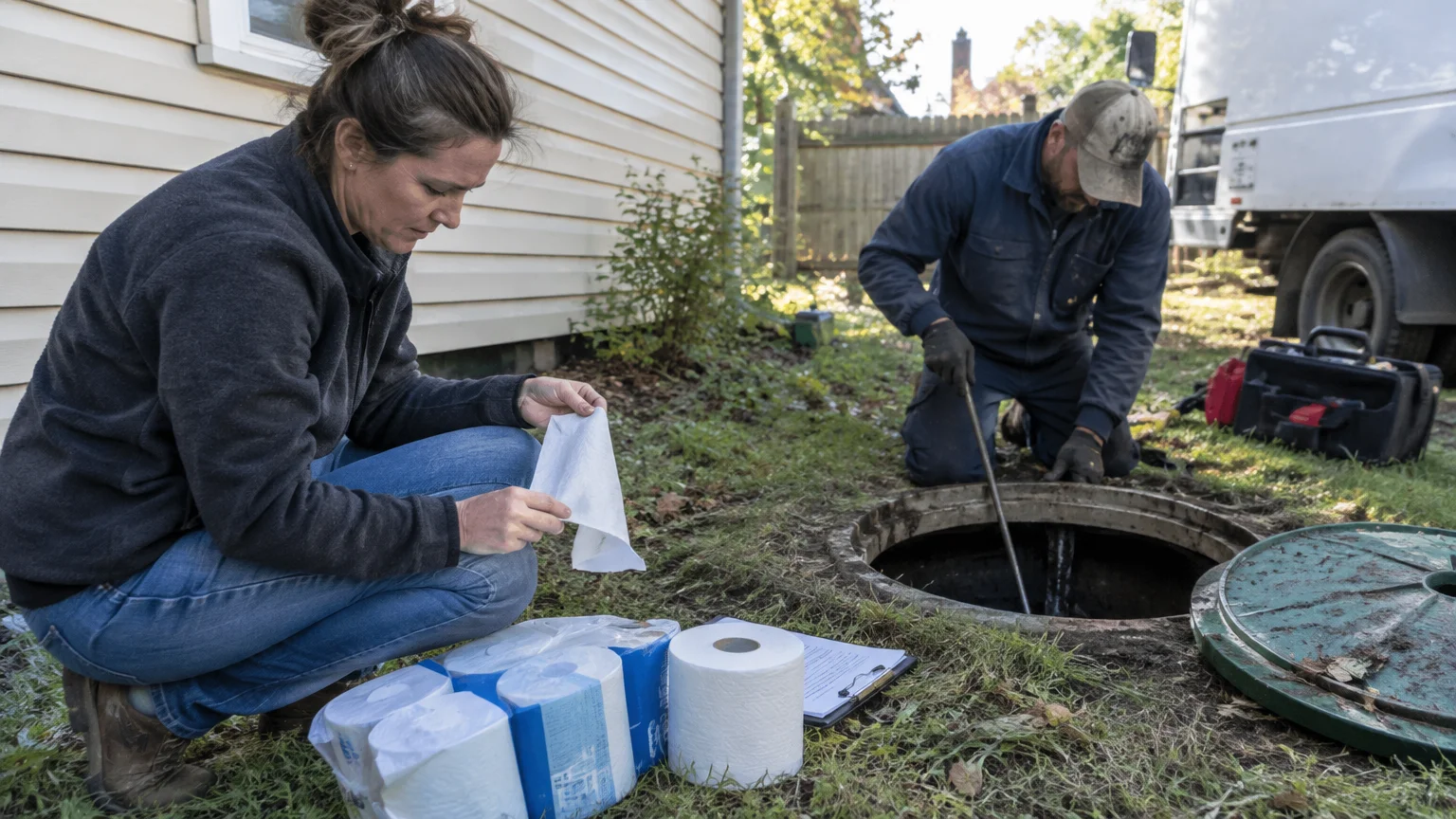
- What is the best toilet paper for a septic tank?
- Does all toilet paper break down safely in a septic system?
- Is one-ply toilet paper better for septic tanks?
- Are recycled and bamboo toilet papers safe for septic systems?
- Are flushable wipes and specialty toilet papers safe for septic tanks?
- How can you test whether toilet paper is septic-safe?
- What other habits help protect a septic system?
- Frequently Asked Questions
What is the best toilet paper for a septic tank?
The best choice breaks apart soon after it gets wet. A septic-safe label can help, but it does not tell the full story. Paper that separates well, flushes with normal water use, and has no plastic fibers is often a good choice. It does not need to vanish at once. It should break into small pieces instead of staying as one strong sheet.
What makes toilet paper septic-safe?
Septic-safe toilet paper is made to break down in water. This matters because a septic tank separates solids, liquids, and grease. Toilet paper joins solid waste in the tank. Paper that breaks apart helps the tank work as it should. Still, the words septic-safe do not mean every brand works the same way.
Some paper is thick, quilted, or made for extra softness. These types may break down more slowly. Read the label and test a small amount before buying a large supply. Use a sensible amount with every flush.
A septic system needs more than the right paper. It needs healthy bacteria, steady water flow, and regular maintenance. Septic Tank Service Conyers can help Conyers property owners learn when septic tank pumping may be needed. The team can also explain signs that need attention.
Paper that stays together may collect in the tank. It may also move toward the drainfield. The drainfield filters liquid wastewater through soil. Heavy solids can make that work harder over time.
Do not flush a large amount of paper at one time. This rule matters even when the paper breaks down well. Good toilet paper helps normal tank use. It cannot fix an overdue tank, a blocked pipe, or a damaged system. A septic tank replacement may be needed only when the system has serious damage or has reached the end of its useful life.
Does all toilet paper break down safely in a septic system?
No. Most toilet paper is made to break down in water, but some types take longer. Thick paper, decorative paper, and paper with added fibers may stay whole longer. The package label and a simple water test can help you compare products.
The test is only a guide. It does not copy every condition inside a septic tank. Water flow, tank size, bacteria, and household use also affect how paper behaves.
What happens to toilet paper inside the tank?
Wastewater flows from the home into the septic tank. Heavy solids sink to the bottom and form sludge. Lighter material rises and forms a layer called scum. Scum is the floating layer of oils and light waste.
Toilet paper usually mixes with solid waste. Natural bacteria then start to break it down. A septic tank does not remove every solid. It holds waste until a septic pumping visit removes the built-up sludge and scum.
If too much solid waste collects, it may move toward the drainfield. This can cause slow drains, bad smells, or wet spots in the yard. Pumping removes settled waste, but it does not replace good product use. It also does not repair broken pipes or a damaged drainfield.
A household should not flush large amounts of paper at once. Smaller amounts help limit heavy clumps. Good flushing habits can help protect pipes and the tank.
How thick, quilted, and strong paper can differ
Thick paper often needs more time to separate in water. Quilted paper has layers pressed together for comfort. Strong paper may feel useful in a bathroom, but it can stay whole longer after flushing.
This does not mean every thick product is unsafe. The key question is how the paper acts when wet. Soak equal pieces of different products in water. Then watch how easily they pull apart.
Is one-ply toilet paper better for septic tanks?
One-ply paper often breaks apart fast because it has fewer layers. However, one-ply is not always the best choice. Some two-ply paper also breaks down well. Some thin paper may still stay together when wet.
The idea about one-ply paper is partly true. Fewer layers can separate faster. Yet paper fiber, comfort, and strength also matter. A household should not choose only by the number of layers on the package.
One-ply paper may cause people to use more sheets. That can reduce any benefit from its quick breakdown. The better choice is paper that works for the household and breaks apart in water.
A family does not need to buy the thinnest paper available. A moderate two-ply product may offer comfort and good breakdown. Look for a septic-safe claim and test the product at home.
Avoid paper that mentions plastic fibers, strong wet strength, or added nonwoven material. No toilet paper should be flushed in unusually large amounts. Place less paper in the bowl and flush normally when needed.
Keep a wastebasket near the toilet. Use it for wipes, tissues, and other tough products. Homeowners and tenants do not need a professional to read labels or perform a jar test. Professional help is needed for backups, blocked pipes, damaged systems, or overdue maintenance.
Are recycled and bamboo toilet papers safe for septic systems?
Recycled and bamboo toilet paper can work well in septic systems. The paper must break down in water. Fiber type alone does not decide if a product is safe.
Layers, coatings, binders, and wet strength also matter. A product can sound natural and still contain materials that break down slowly. Paper that separates into small pieces is less likely to add large clumps to the solid layer.
Recycled paper uses fibers that have already been processed. Bamboo paper uses fibers from bamboo plants. Both types may break down well, but the finished product can include added materials.
Even suitable paper adds solids to the tank. Regular septic pumping remains part of normal care. Follow the maker’s directions and watch for signs of a full or troubled system.
Do not assume that words such as natural, plant-based, or eco-friendly explain how paper acts after flushing. Look for clear wording about septic systems and water breakdown. Avoid products that contain plastic or are made to stay strong when wet.
Useful signs include:
- A clear septic-safe statement from the manufacturer
- Paper that separates easily after soaking in water
- No plastic fibers, mesh, or nonwoven material
- A normal number of layers without heavy quilting
- Directions that do not suggest flushing large amounts at once
These signs help, but they do not replace good septic habits. The best toilet paper for septic tank use breaks down well and fits normal home use. A homeowner can compare products without professional help. A septic professional should inspect slow drains, odors, backups, or other warning signs.
Are flushable wipes and specialty toilet papers safe for septic tanks?
Most flushable wipes are a poor choice for septic systems. This is true even when the package says they can be flushed. Wipes are made to stay together when wet. That strength can cause clumps, blockages, and extra solids.
Toilet paper is made to separate in water. Wipes are made to clean without falling apart in a person’s hand. This key difference can lead to trouble in pipes, pumps, tanks, and drainfields.
Wipes may travel through plumbing as whole sheets or tangled groups. They can collect at pipe bends, pumps, tank outlets, or narrow points. A toilet may flush well today and still have a problem later.
The same concern can apply to thick cleaning sheets, makeup wipes, paper towels, tissues, and shop towels. Put these items in household waste unless local rules say otherwise. A lined wastebasket is the safer choice.
Diapers, cotton swabs, dental floss, sanitary products, and paper towels should also stay out of the toilet. A label that says flushable does not mean a product is right for every septic system.
Never flush grease, paint, chemicals, medicine, cat litter, or household trash. These items can harm helpful bacteria, block pipes, or add solids the system cannot handle. A homeowner can use a wastebasket and follow disposal directions without professional help.
A plumber or septic professional can explain proper disposal when a label is unclear. They can also help when a blockage may already be present.
How can you test whether toilet paper is septic-safe?
A jar breakdown test gives a quick way to compare toilet paper. It shows how paper reacts in water. It does not copy every condition inside a septic tank.
Use the test as a guide. It should not replace product directions or professional advice. Homeowners can do this simple check with water, a clear jar, a small paper piece, and gentle shaking.
A simple jar breakdown test
Place a few sheets of paper in a clear jar filled with water. Close the jar and shake it gently for several seconds. The paper should start to separate into smaller pieces.
The test is easier to judge when you use equal amounts. Keep the water level, paper size, and shaking time the same for each product. Too much paper can make any brand look slow to break apart.
A simple process is:
- Add water to a clear jar.
- Put a small, equal piece of each paper inside.
- Close the lid and shake gently.
- Watch whether the paper separates or stays whole.
- Choose paper that breaks apart without heavy clumps.
What the test can and cannot prove
The jar test does not measure the full effect on pipes, a septic tank, or a drainfield. Tank size, water use, soil, bacteria, plumbing design, and family habits also matter.
A product that passes the test can still cause trouble when used in large amounts. The test also cannot show whether your septic tank needs pumping.
People asking how to find the right septic care plan should check local records and system signs. Look for slow drains, odors, wet ground, or past service dates. Septic Tank Service Conyers can help Conyers property owners review their maintenance needs.
A homeowner can perform the jar test and simple checks. A professional should assess sewage backups, drainfield trouble, structural damage, or unsafe wastewater conditions.
What other habits help protect a septic system?
The right toilet paper works best with careful daily habits. A septic system should receive wastewater, human waste, and toilet paper only. Everything else should stay out of toilets and household drains.
Water use matters too. Large bursts of water can move solids through the tank before they settle. Fix leaking toilets and faucets when possible. Spread laundry loads through the week to help limit sudden flow.
A household should keep these items out of the septic system:
- Flushable and baby wipes
- Paper towels, tissues, and cleaning cloths
- Diapers and personal care products
- Dental floss, cotton swabs, and hair
- Grease, paint, harsh chemicals, and litter
- Food scraps, medicine, and household trash
Homeowners can fix minor leaks when they have the right skills. They can also keep bad products out of drains and manage water use. Call a professional when a leak is hidden, wastewater backs up, or the cause of a septic problem is not clear.
When professional septic tank pumping may be needed
Septic tank pumping removes sludge and scum that bacteria cannot fully clear. Professional help may be needed when drains slow down, smells appear, wastewater backs up, or the yard becomes wet near the tank or drainfield.
These signs can also point to a clog, damaged pipe, or drainfield problem. Pumping alone may not solve the main issue. An inspection can help show what the system needs.
A new property, a home with changing occupancy, and an older system may need different care plans. Tank depth, access, soil, and system design can affect service work.
A perc test checks whether soil can absorb wastewater. It does not replace tank service. Property owners do not need a professional to choose toilet paper or handle simple upkeep. Inspection, pumping, repairs, and wastewater hazards require trained help.
Key takeaways
- Choose toilet paper that breaks apart quickly in water.
- One-ply paper is not always better than suitable two-ply paper.
- Recycled and bamboo paper can work when the finished product breaks down well.
- Keep wipes, paper towels, grease, and trash out of the toilet.
- Good products do not replace timely septic tank pumping.
Frequently Asked Questions
What is the best toilet paper for a septic tank? The best paper breaks apart quickly in water and has no plastic fibers. A septic-safe label helps, but a small jar test can provide more information. Moderate two-ply paper may work as well as one-ply when it separates easily.
Is thick toilet paper bad for a septic system? Thick paper is not always unsafe, but it may take longer to separate. Quilted layers and strong wet fibers can leave larger pieces in the tank. Test the paper in water and avoid using too much during each flush.
Can flushable wipes go into a septic tank? Flushable wipes are best placed in a lined wastebasket. They stay strong when wet and may gather in pipes, pumps, or tanks. The word flushable does not mean they break down like toilet paper in every system.
Are bamboo and recycled toilet papers safe for septic tanks? They can be safe when the finished paper breaks apart well in water. Fiber type is only one part of the product. Check for a septic-safe claim, avoid plastic fibers, and use a jar test when the label is unclear.
How often should a septic tank be pumped? The right timing depends on tank size, household size, water use, waste volume, and system design. Pumping may be needed sooner when drains slow, odors appear, or wastewater backs up. A local septic professional can review the system and suggest a care plan.
Conclusion
The best toilet paper for a septic tank is not always the thinnest or softest choice. It is paper that breaks apart well, has no plastic fibers, and is used in sensible amounts. Good habits also mean keeping wipes, grease, chemicals, and trash out of plumbing.
A homeowner can read labels, compare products, perform a jar test, and handle simple upkeep without professional help. Warning signs, pumping, repairs, and system checks need trained attention. In Conyers, septic care also depends on the tank, soil, plumbing, and daily water use.
Septic Tank Service Conyers helps property owners make informed septic care choices and nearby communities. Contact us to discuss septic tank pumping and practical ways to protect your system.