Septic tank smells often come from a dry plumbing trap, blocked vent, full tank, clogged pipe, or drainfield issue. Mild outdoor smells may need simple upkeep, but sewage indoors, standing wastewater, or strong gas smells need quick action. Limit exposure and arrange an inspection when the smell lasts or returns.
Table of Contents
- What Do Septic Tank Smells Usually Mean?
- Why Does My House Smell Like a Septic Tank?
- What Causes Septic Tank Smells Outside?
- Can a Full Septic Tank Cause Bad Smells?
- Could a Blocked Pipe or Septic Clog Be Causing the Smell?
- What Should You Do When You Notice Septic Tank Smells?
- How Can You Tell Whether Septic Odours Are a Health Risk?
- When Are Septic Tank Smells an Emergency?
- How Do Professionals Find and Fix the Source of Septic Odours?
- How Can You Prevent Septic Tank Smells in the Future?
- Frequently Asked Questions
What Do Septic Tank Smells Usually Mean?
Septic tank smells usually mean sewer gas or wastewater is escaping. The source may be inside the home, near the tank, beside a cleanout, or over the drainfield. The smell alone cannot show the exact cause. Its location and timing give better clues.
A septic system treats household wastewater in an underground tank and drainfield. The tank holds solids, while liquid moves into the drainfield. The soil then gives the liquid more treatment. A healthy system may have a faint earthy smell outdoors. It should not create a strong, lasting sewage smell near living areas.
How can normal odours differ from warning signs?
A short smell near an open access point may happen during service. Warm weather, wet soil, or wind can also make outdoor smells easier to notice. The smell should fade. It should not come with slow drains, wet ground, or sewage.
Warning signs include a rotten-egg smell indoors, smells from drains, gurgling toilets, and slow fixtures. Wastewater on the ground is another serious sign. A strong smell near the tank may mean a loose lid, bad seal, blocked vent, or tank that needs care.
Where is the smell coming from?
Start by noting where the smell is strongest. A bathroom drain may point to a dry trap. A roof vent may be blocked. A smell near the tank may involve the lid, inlet, outlet, or tank level. A wet, foul patch near the drainfield may mean the soil cannot take wastewater well.
Septic Tank Service Conyers helps Conyers property owners sort these signs into safe next steps. A local review can help with a home, rental, business, or property being prepared for sale.
Why Does My House Smell Like a Septic Tank?
A house may smell like a septic tank when a plumbing trap dries, a vent blocks, or wastewater cannot leave the building line. A simple cause is often an unused sink, shower, floor drain, or guest bathroom. Indoor smells can also point to a backup or broken pipe.
A plumbing trap is the curved part of a drain pipe that holds water. This water blocks sewer gas from entering the room. When a fixture is not used, the water can dry out. The open path then lets odours into the home.
Could a dry trap or blocked vent be the cause?
You can safely run water into an unused sink, shower, tub, or floor drain. This may fill the trap and reduce the smell. A little water in a rarely used drain can help keep the seal. Do not use chemical products as a regular septic fix.
Blocked plumbing vents can cause smells, gurgling, and slow drainage. These vents often run through the roof. Climbing onto the roof is not a safe check for most homeowners. Leaves, nests, ice, or other debris may block the pipe. A qualified professional can inspect it safely.
Which indoor odours need prompt attention?
A sewage smell in a basement, bathroom, crawl space, or utility room needs attention if it continues after water is added. Sewage backing into a tub or floor drain is more serious. It may mean a building sewer blockage, a full septic tank, or a damaged line.
Open windows only when it is safe. Keep people away from visible wastewater. Reduce water use until the cause is clearer. Septic Tank Service Conyers can help homeowners decide if the issue needs pumping, drain work, or a wider septic inspection.
What Causes Septic Tank Smells Outside?
Outdoor septic tank smells may come from a loose lid, damaged seal, blocked vent, full tank, broken pipe, or drainfield trouble. Wet weather and poor soil drainage can make smells stronger. Rain alone should not cause repeated sewage smells. The pattern around the property gives useful clues.
The tank is often underground between the home and drainfield. Its distance from the house depends on local rules, site design, access, and the original installation. A tank may be shallow or deep. Do not dig or drive equipment across the area without knowing where the system is.
What do drainfield and soil conditions show?
A drainfield is the part of the system where treated liquid enters the soil. It may smell when wastewater reaches the surface or when the soil stays wet. It may also struggle when the system receives more water than it can handle. Bright grass, soggy ground, standing water, and slow drains can occur with drainfield trouble.
Do not use the drainfield for parking or storage. Avoid deep-rooted plants there. Keep roof water and sump-pump water away from it. Extra water can overload the soil and make smells worse.
Could the tank lid or another component be damaged?
A loose or cracked lid can release sewer gas. It can also create a fall hazard. Damaged risers, seals, cleanouts, and inspection ports can cause similar problems. Do not open, move, or cover these parts without proper care.
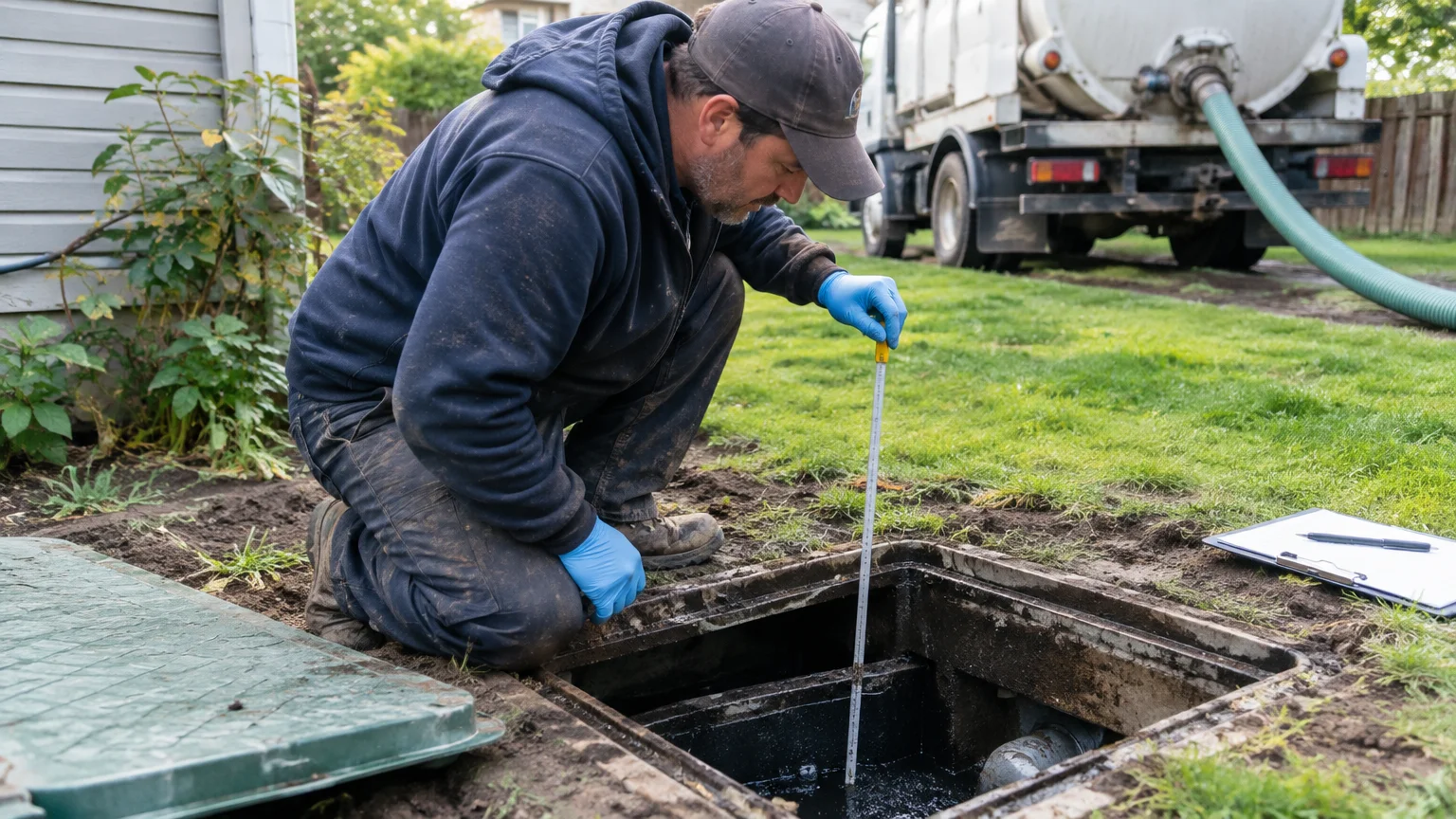
You may look from a safe distance for wet ground, broken covers, or unusual settling. Do not dig or enter a tank. Septic tanks can contain dangerous gases and very little oxygen. A professional can locate the tank, check access points, and look for damage safely.
Can a Full Septic Tank Cause Bad Smells?
Yes, a full septic tank can cause bad smells, but a smell alone does not prove pumping is needed. Solids and scum build up over time. This leaves less working space inside the tank. Wastewater may then move slowly, press toward the outlet, or back up into the plumbing.
Septic tanks need care based on tank size, home use, water flow, and solid waste. A large household, frequent guests, garbage disposal, or busy business may need a different plan than a small home. Regular maintenance helps owners spot changes before a backup.
How do tank levels affect odours?
A high liquid level may make it hard for the tank to receive more wastewater. This can cause slow drains, gurgling fixtures, or smells near the tank and plumbing. A damaged outlet baffle or blocked effluent filter can cause similar signs.
The tank level should be checked during a proper inspection. Guessing from the smell can lead to the wrong repair. Septic pumping may help when solids or scum cause the problem. It will not repair a damaged pipe, failed drainfield, or blocked vent.
What signs suggest the tank may be overdue for pumping?
The strongest clues are several symptoms at once. These may include:
- Several slow drains across the property
- Toilets that gurgle or drain poorly
- Sewage backing into a shower, tub, or floor drain
- Foul smells near the tank or drainfield
- Wet, very green, or sunken ground over the drainfield
- No clear record of the last septic service
Keep pumping and inspection records. Tenants should report changes early. They should not flush unusual items. Investors and buyers should ask for system records and arrange a professional review before trusting the system's condition.
Could a Blocked Pipe or Septic Clog Be Causing the Smell?
A blocked pipe or septic clog can cause smells by trapping wastewater and sewer gas. One slow sink may have a local drain blockage. Slow fixtures across the home suggest a larger issue in the building sewer, tank, outlet, or drainfield.
Common causes include extra paper, wipes, grease, coffee grounds, hygiene products, diapers, and objects flushed by children. Some products marked flushable do not break down like toilet paper. Grease can harden in pipes and collect other waste.
Which household habits can create clogs?
Toilet paper and human waste are the only common items for a septic toilet. Let cooking grease cool, then place it in household waste. Keep food scraps out of plumbing unless the system and local advice support garbage disposal use.
A small sink or tub clog may respond to a plunger when no sewage is present. Stop if wastewater rises, several fixtures are affected, or the plunger does not work. Repeated chemical drain cleaners can harm pipes, disturb treatment, and hide the real cause.
How do backups connect to odours?
A backup means wastewater cannot move through the system as it should. Pressure can push sewage toward the lowest fixture. Trapped gas can then move through drains or cracks. The clog may be near the home or farther along the septic line.
Do not keep flushing or running water to test a backed-up system. This adds more liquid to the blocked path. A professional can decide whether pumping, line clearing, or a repair is needed.
What Should You Do When You Notice Septic Tank Smells?
When septic tank smells appear, first locate the smell without touching wastewater, lids, or electrical equipment. Reduce water use. Keep children and pets away from wet areas. Note which fixtures or yard areas are affected.
You may safely add water to an unused drain when there is no backup. You can check whether a toilet, sink, or shower is slow. Do not dig, open the tank, climb onto the roof, or walk through sewage.
What safe steps can a homeowner take?
- Stop water use if several fixtures drain slowly or sewage rises.
- Keep people and pets away from wastewater, wet soil, and tank covers.
- Open a window only when there is no strong gas concern.
- Note where the smell began and whether rain came first.
- Find service records without opening or disturbing the system.
- Arrange an inspection if the odour continues or returns.
Tenants should tell the property owner or manager quickly. Business owners should block off affected areas. A buyer should not treat a short loss of smell as proof of a healthy system.
What should be avoided before an inspection?
Avoid bleach, solvents, drain acids, septic additives, and large water loads. Do not cover wet ground with soil. Do not seal a vent without finding the cause. Keep vehicles and heavy equipment away from the drainfield and tank.
These actions can spread wastewater, harm system parts, or make inspection harder. Notes and photos from a safe distance can help a professional understand the problem.
How Can You Tell Whether Septic Odours Are a Health Risk?
Septic odours may be a health risk when they come with sewage, dirty soil, or poor airflow. Wastewater can carry germs. Sewer gas may contain irritating or dangerous gases. A rotten-egg smell can come from hydrogen sulfide, but smell strength does not show gas levels.
People may have headaches, dizziness, nausea, eye irritation, or breathing trouble in a contaminated area. Anyone with symptoms should leave and seek medical advice. Never enter a septic tank, pit, or enclosed space to investigate a smell.
How can families, children, and pets stay safe?
Children and pets should stay away from tank covers, drainfield puddles, and sewage. Pets may track dirty water inside or drink from wet areas. Keep shoes, tools, and clothing that touch wastewater away from clean rooms.
Keep doors closed between affected rooms and the rest of the home when possible. Do not use fans if they could spread dirty air through the building. If sewage enters the home, a qualified cleanup service may be needed after the source is controlled.
When should occupants leave the building?
Leave if there is a strong indoor gas smell, sudden dizziness, breathing trouble, or a large sewage release. Do not use switches, flames, vehicles, or other possible ignition sources near suspected gas. Once outside, contact the proper emergency service or qualified professional.
A normal outdoor smell does not always require leaving the home. Still, repeated smells deserve attention. Early action can stop a small plumbing problem from becoming a larger property issue.
When Are Septic Tank Smells an Emergency?
Septic tank smells become an emergency when sewage overflows, wastewater rises quickly, a tank cover breaks, or people may face dangerous gas. A strong indoor smell with illness symptoms also needs immediate action. The danger matters more than the smell alone.
Emergency signs include sewage flowing from a cleanout, a toilet backing up with waste, a large wet area over the drainfield, or a broken lid where people could fall. Electrical equipment near water creates another serious danger.
What should happen during an overflow?
Stop water use throughout the property. Keep everyone away from the affected area. Do not wash sewage into a drain, ditch, or street. Avoid contact with the liquid, and do not use electrical tools near it.
A professional can check whether the overflow involves a full tank, blocked line, failed outlet, or drainfield problem. Local authorities may need notice when wastewater reaches public areas, wells, waterways, or nearby land. Local rules may differ.
What gas, structural, and electrical dangers matter?
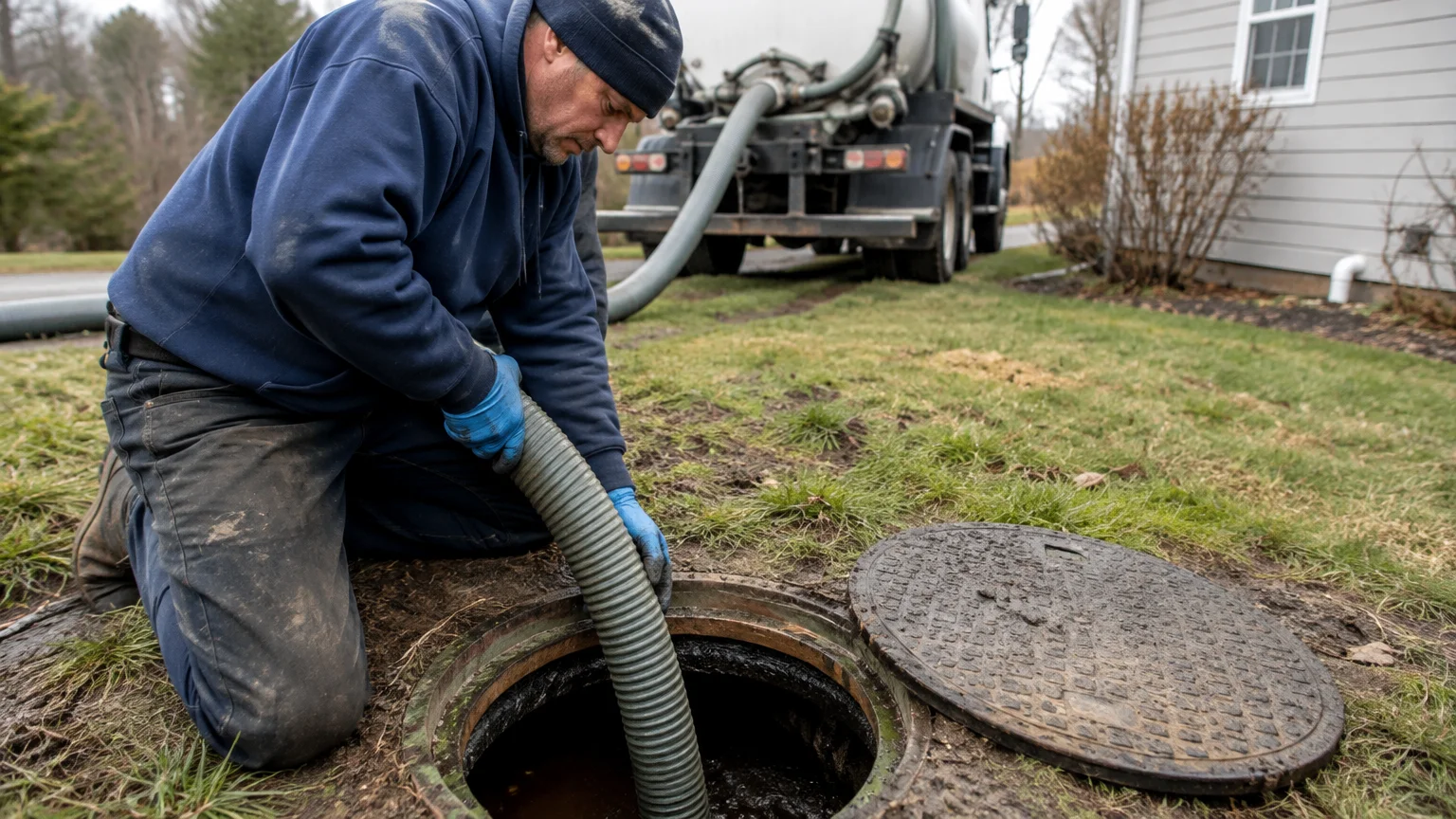
Never enter a septic tank, even to help someone who seems trapped. Toxic gases and low oxygen can overcome a person quickly. A cracked lid, open access point, sinking ground, or exposed pipe is a fall and contact hazard.
If water reaches an electrical panel, outlet, pump, or appliance, leave the area. Wait for qualified emergency help. Do not restart the system until the danger is checked. Emergency pumping may help with tank conditions, but electrical or structural dangers may need other specialists.
How Do Professionals Find and Fix the Source of Septic Odours?
Professionals find septic odours by following the smell, reviewing symptoms, checking plumbing, and examining the system. They may inspect fixtures, vents, cleanouts, tank access points, filters, baffles, lines, and the drainfield. The repair depends on what they find.
A visit may include a tank-level check, pumping when needed, line inspection, or a flow test between parts. Some systems have pumps, alarms, filters, or added treatment parts. These may need separate checks. The owner should receive a clear explanation of the findings.
What can inspection and pumping show?
Pumping removes built-up solids and scum. It can help when a tank is full or overdue for service. It cannot repair a crushed pipe, failed drainfield, blocked roof vent, broken lid, or damaged tank wall.
A professional may inspect the inlet and outlet, check filters, and look for escaping sewage. For a sale, a septic inspection may review records, tank location, parts, and the drainfield. The final cost is confirmed on a quote and depends on access, system size, urgency, damage, parts, and required work.
What repairs may solve the odour?
The repair may involve clearing a line, replacing a seal, securing a lid, clearing a vent, repairing a pipe, servicing a pump, or improving drainage. A drainfield issue needs a deeper review. More water or pumping alone may not solve it.
Septic Tank Service Conyers can help Conyers property owners understand which option fits the evidence. Keep records of inspections, pumping, and repairs. These records help future owners and tenants understand the system.
How Can You Prevent Septic Tank Smells in the Future?
The best way to prevent septic tank smells is to use less water at one time, keep waste and harsh chemicals out, and follow a planned maintenance routine. Records matter because a missing service history makes symptoms harder to explain.
Learn where the tank, drainfield, cleanouts, and vents are located. Share this information with tenants, caretakers, and future buyers. A simple site sketch can help prevent digging, paving, or planting in the wrong place.
Which maintenance habits help most?
- Fix dripping taps and leaking toilets quickly.
- Spread laundry across the week instead of overloading the system.
- Flush only human waste and toilet paper.
- Keep grease, wipes, chemicals, and medicine out of drains.
- Keep vehicles and heavy storage off the drainfield.
- Keep roof water and runoff away from the system.
- Record inspections, pumping, repairs, and unusual symptoms.
A tenant may not control the tank, but early reports can prevent damage. Homeowners should not wait for a backup before asking for help. Investors should include the septic system in property planning.
What are the key takeaways?
- A strong or lasting odour is a warning sign, especially indoors.
- Dry traps and blocked vents can cause simple problems, but repeated smells need review.
- A full tank may cause odours, yet pumping will not fix every failure.
- Sewage, wet drainfield soil, and gurgling drains need prompt attention.
- No one should enter a septic tank or handle unsafe wastewater.
Septic tank smells are easier to solve when the source is found early. Septic Tank Service Conyers supports property owners across Conyers, including Downtown Conyers, Lithonia, Stockbridge, Milstead, Almon, and nearby communities. The team can help with pumping, inspections, and related septic concerns. Contact us to arrange the next step for your property.
Frequently Asked Questions
Why does a septic tank smell after heavy rain?
Heavy rain can soak the soil and slow the drainfield. Surface water may also move toward the tank or drainfield. A brief outdoor smell may fade as conditions dry. Standing wastewater, slow drains, or repeated smells need an inspection.
How far should a septic tank be from a house?
The required distance depends on local rules, soil, property design, and system type. The tank should be reachable for service and kept away from unsafe areas. Check the approved site plan or ask a qualified local professional instead of guessing or digging.
How deep should a septic tank be?
Tank depth depends on the installation, soil, slope, frost, and pipe layout. Some tanks are shallow. Others have risers or deeper access points. Do not dig to find one. A septic professional can locate it and identify the covers.
Who performs a perc test?
A licensed or approved soil professional, engineer, health department representative, or other authorized specialist may perform a perc test. The test checks how quickly soil absorbs water for a planned septic system. Local rules decide who may do it.
Who installs septic tanks near me?
Licensed or permitted septic contractors usually install septic tanks. They understand local rules, soil, tank placement, and drainfield design. Confirm licensing, permits, insurance, and experience before work begins.
If you are unsure what is causing the smell, have the system checked before the problem grows. Septic Tank Service Conyers can help you understand the next safe step.
If you are not sure what you are dealing with, it is worth having someone look at it before it turns into a bigger job. Get in touch with Septic Tank Service Conyers today and we will tell you where you stand.