The answer to how much to get septic tank installed depends on tank size, soil, access, design, permits, and local rules. A simple site with good soil may need less work than a hard lot. The final cost is confirmed in a detailed quote after the property is reviewed.
A new septic system is a major project for any property owner. It can affect family comfort, a rental home, or a buyer’s choice. Knowing what goes into the quote helps you make a sound choice without relying on one broad estimate.
Table of Contents
- How much does it cost to get a septic tank installed?
- What factors drive the cost of a new septic installation?
- How does septic tank size affect installation cost?
- How do access and excavation affect the installation price?
- How much do different septic system types affect the cost?
- How does location affect new septic installation costs?
- What should a septic installation quote include?
- Frequently Asked Questions
How much does it cost to get a septic tank installed?
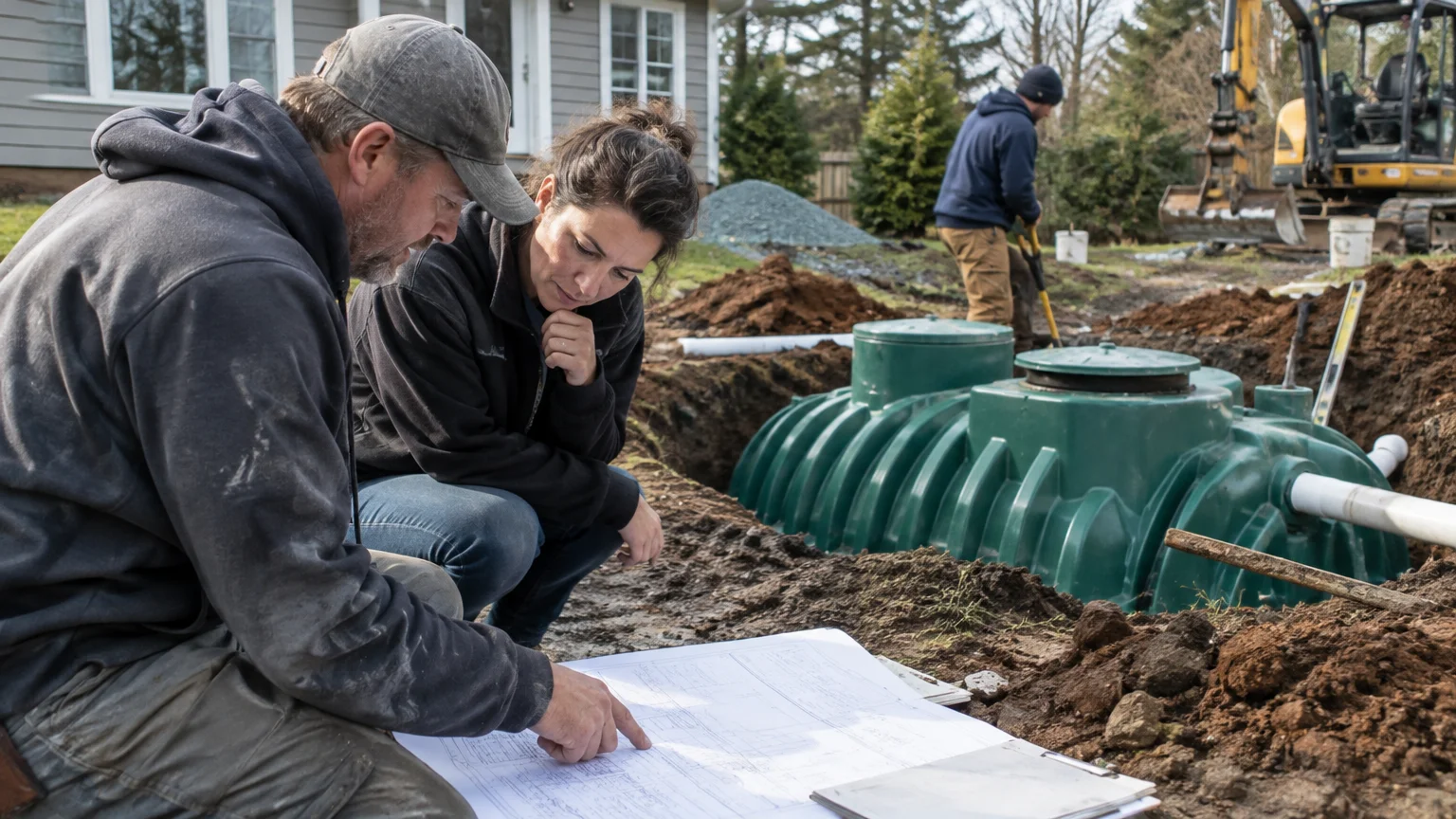
The cost varies because each property has different needs. A new system may include a tank, drainfield, design work, soil tests, permits, digging, pipes, inspections, and final grading. The quote should cover the full project, not only the tank.
Why installation costs vary from one property to another
A level lot with open access is often easier to prepare than a steep or wooded site. Soil that drains well may support a common drainfield. Poor soil, shallow rock, high groundwater, or limited space may call for another design.
The distance from the home to the tank also matters. Longer pipe runs can need more digging and materials. A driveway, retaining wall, pool, or mature trees can make the work harder. Local rules may also call for special plans or extra inspections.
How new installation compares with septic tank replacement
A new installation often needs a full site review and a complete system design. Septic tank replacement may reuse some old parts, but that is not always possible. Old tanks, broken pipes, failed drainfields, or new rules can make the job larger than expected.
Do not assume replacement is always easier. The old system may be hard to find or may not meet current rules. Septic Tank Service Conyers can help property owners understand which site conditions may affect the work before it begins.
What factors drive the cost of a new septic installation?
The main cost drivers are the site, system design, labor, materials, permits, and cleanup. A proper review looks at how wastewater leaves the home, how soil treats it, and where the system can safely go.
How soil, lot size, and site conditions affect the project
A soil evaluation helps show whether the proposed drainfield can treat wastewater safely. Soil that drains slowly may need a raised or engineered design. A small lot may limit where the tank and drainfield can fit. A larger lot may offer more choices, but it can still have rock, slopes, or wet areas.
The number of bedrooms can also affect system design. Bedrooms are often used to plan for possible household use. Water habits matter as well. A large family, rental home, or home with many guests may place more demand on the system.
Which permits, inspections, and preparation steps may be required
Most new systems need approval from a local health department or another agency. Rules vary by state and county. They may include a site review, soil testing, design papers, permit review, installation checks, and final approval.
Ask who handles each approval. Some contractors prepare the papers, while others expect the owner to submit them. The quote should say whether design work, permit help, inspections, and required tests are included.
How does septic tank size affect installation cost?
Tank size affects materials, digging, transport, and system planning. The right size depends on the home, expected water use, local rules, and approved design. A larger tank is not always the best choice.
How household size and wastewater use determine tank capacity
A home with more bedrooms may need more treatment capacity. A property with several bathrooms, frequent visitors, or high water use may also need careful planning. Laundry habits, appliances, and future home additions can affect demand.
A professional can review the home’s layout and expected use. The goal is to choose a tank that works with the drainfield and local rules. Do not select a tank by guessing or copying a neighbor’s system.
Why choosing the right tank size matters for long-term performance
An undersized tank may not give solids enough time to settle. This can send more solids toward the drainfield and cause problems later. An oversized tank may add work without fixing the real issue if the drainfield or design is wrong.
Ask how the tank size was chosen. The answer should connect the tank to household use, local rules, and the full system. Regular care still matters after installation. Homeowners can make safe checks and use water wisely, but tank work and digging should be left to trained professionals.
How do access and excavation affect the installation price?
Access and digging can change the project scope. Equipment must reach the work area, and crews must safely dig for the tank, pipes, and drainfield. Tight access may require smaller equipment or added planning.
What makes a property easier or harder to reach
Open yards with a clear route are usually easier to prepare. Gates, narrow driveways, steep slopes, fences, sheds, and overhead lines can limit equipment. Crews may also need to protect buildings, wells, trees, and utility lines.
Before digging, the work area should be checked for underground utilities. The tank location must also allow future inspection and septic pumping. A hidden lid can make routine service harder, so record the final location for the owner.
How digging, landscaping, utilities, and site restoration add work
Excavation can disturb grass, gardens, paths, driveways, and soil. Rock or groundwater may slow the work. After installation, the area may need grading, backfill, erosion control, or basic surface repair.
The quote should explain what cleanup is included and what remains the owner’s job. It should also say whether fences, plants, hard surfaces, or other features must be moved. Clear planning helps prevent confusion when the crew reaches the site.
How much do different septic system types affect the cost?
System type is one of the biggest design factors. A standard system may suit a property with good soil and enough space. An alternative system may be needed when the site has poor drainage, little room, or other limits.
How conventional systems differ from alternative systems
A conventional system usually uses a septic tank and a drainfield. The drainfield treats wastewater in the soil. An alternative system may use pressure distribution, a mound, a sand filter, an advanced treatment unit, or another approved design.
The right choice depends on the site review and local rules. A more complex system may need extra parts, controls, inspections, and care. The homeowner may also need to understand alarms, access points, and service schedules.
When pumps, treatment units, or advanced designs may be needed
A pump may be needed when wastewater must move uphill or the drainfield sits above the tank. Treatment units may be used when the soil or site cannot support a basic design. These parts can add installation work and future care needs.
Ask what each part does and what happens if it fails. The quote should identify pumps, electrical work, controls, alarms, filters, and treatment equipment. A professional should handle design, electrical connections, tank setting, and testing. Homeowners can notice alarms or slow drains, but they should not enter a tank or attempt dangerous repairs.
How does location affect new septic installation costs?
Location affects labor, materials, travel time, permit steps, and system rules. Costs can vary between counties and nearby properties. The site review matters more than a broad regional guess.
Why regional labor, regulations, and material availability matter
Local rules may set minimum distances from homes, wells, property lines, waterways, and other features. They may also control tank types, drainfield designs, inspection steps, and operating permits. Material availability can affect timing when a certain tank or treatment unit is needed.
Weather and ground conditions may affect the project too. Heavy rain can make access hard, while hard soil can slow digging. A local contractor can explain which conditions are common in the property’s area.
What property owners in Conyers and the main Conyers area — from Downtown Conyers out to Lithonia, Stockbridge, Milstead and Almon, and nearby communities should verify locally
Property owners in Conyers and nearby communities should check the local authority’s permit process before choosing a system. They should ask about soil testing, setbacks, inspections, approved contractors, and final sign-off. These steps help protect the property and prevent delays.
Septic Tank Service Conyers works with property owners who need clear information about septic planning. A local review can identify access concerns, likely system choices, and questions to ask before signing an agreement. Owners should keep the approved design, permits, tank location, and maintenance information after the project is done.
What should a septic installation quote include?
A useful quote should describe the full planned scope. It should list the system design, materials, site work, approvals, testing, cleanup, and conditions that may change the work. The final cost is confirmed on a quote after the property and project needs are reviewed.
Which services, materials, approvals, and cleanup to look for
A quote may include many parts of the project. The owner should look for clear details about:
- Site review, soil testing, and system design
- Tank type, tank size, pipes, distribution parts, and treatment equipment
- Excavation, installation, backfill, grading, and surface repair
- Permit help, inspections, testing, and final approval
- Pump controls, electrical work, alarms, access risers, and care instructions
The owner should also ask what is not included. This may include hard rock removal, private utility repairs, major landscaping, driveway replacement, or changes made after approval. Written details make it easier to compare quotes fairly.
When should you request a septic installation quote?
Request a quote before buying land, building a home, replacing a failing system, or adding bedrooms. Early planning can reveal site limits before a purchase or building plan is hard to change.
Gather property records, surveys, old septic papers, well information, and details about the planned home. A clear site visit gives the contractor better information. Contact us to discuss a septic installation review for the property.
Key takeaways
- New septic installation costs depend on the site, design, tank, access, permits, and local rules.
- Tank size should match household use and the approved system plan.
- Soil, slopes, rock, groundwater, and lot size can change the system design.
- A complete quote should explain materials, labor, approvals, cleanup, and exclusions.
- Homeowners can watch basic conditions, but tank and digging work needs a trained professional.
Frequently Asked Questions
How deep should a septic tank be?
A septic tank should be deep enough for safe pipe flow and proper soil cover. The exact depth depends on the design and site. A tank that is too deep can make pumping and inspection harder. The approved plan should show the tank location, access points, and finished ground level.
How far does a septic tank need to be from a house?
The required distance depends on state and local rules, soil, wells, property lines, and other site features. A septic professional or local authority can confirm the setback for a specific property. The tank also needs safe access for inspection and future septic pumping.
How does a septic system work?
Wastewater flows from the home into the septic tank. Solids settle, grease floats, and liquid leaves through an outlet toward the drainfield. Soil and system parts treat the wastewater before it returns to the ground. Good design, careful water use, and maintenance help protect the system.
How can a homeowner find a buried septic tank?
The owner can check property records, installation plans, cleanouts, and visible pipe routes. A professional may use safe locating tools when records are missing. Digging without checking for utilities can be dangerous. Never enter a tank or open one carelessly.
How deep is a septic tank lid?
A lid may be near the surface or covered by soil, based on the installation. Its depth can change after grading or landscaping. Access risers can make future service easier. Confirm the location with records or a professional before digging.
Conclusion
The answer to how much to get septic tank installed depends on the property, not the tank alone. Soil, system type, household use, access, permits, and local rules all matter. A detailed site review gives the owner a clearer plan and helps prevent avoidable problems.
Property owners in Conyers can use this guide when preparing questions for a contractor or local authority. By comparing quotes by scope, owners can better understand the system and protect their investment for years to come.
If you are unsure what you are dealing with, have the site reviewed before it becomes a larger job. Find out more about our septic tank pumping in Conyers. Contact us today to discuss your septic installation needs.